American Sign Language(ASL) Recognition Using CNN
Deep Convolutional Neural Network (CNN) for American Sign Language (ASL) static gesture recognition across 36 classes with 98.4% validation accuracy.
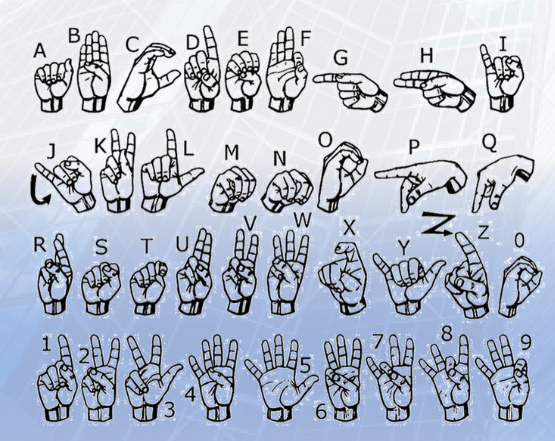
Overview
American Sign Language (ASL) is a lifeline for millions of deaf and hard-of-hearing individuals. Yet, for many, communication barriers remain when others don’t understand ASL.
This project tackles that gap by developing a Convolutional Neural Network (CNN) model capable of recognizing 36 static ASL gestures (A–Z, 0–9) from images with 94% accuracy.
By replacing an earlier & less effective landmark detection approach with CNNs, we gained:
- Higher accuracy across all classes.
- Better robustness to lighting, angles, and hand orientation.
- A scalable base for real-time sign language translation tools.
Problem Statement
- The Challenge: Enable machines to interpret ASL hand gestures from images.
- Goal: Build a system that can classify static ASL gestures accurately and efficiently.
- Why It Matters: This technology can empower inclusive communication for everyone.
Tools & Dependencies
Core Libraries:
TensorFlow / Keras→ Designing, training, and evaluating the CNN.Matplotlib / Seaborn→ Visualizing training curves & confusion matrices.Scikit-learn→ Accuracy, precision, recall, F1-score.NumPy / Pandas→ Data handling and preprocessing.
System Requirements:
- Python 3.7+
- GPU-enabled system (T4 GPU in Google Colab)
- 20 GB storage & 8 GB RAM
Dataset:
- 36 classes (A–Z, 0–9)
80% training 10% validation 10% testing
Model Architecture
flowchart LR
    A[Input Image 200x200x3] --> B[ConvBlock 1: 2x Conv + ReLU + MaxPool]
    B --> C[ConvBlock 2: 2x Conv + ReLU + MaxPool]
    C --> D[ConvBlock 3: 2x Conv + ReLU + MaxPool]
    D --> E[Flatten & Dropout 0.4]
    E --> F[Dense 512 + Dense 128]
    F --> G[Softmax 36 ASL Classes]
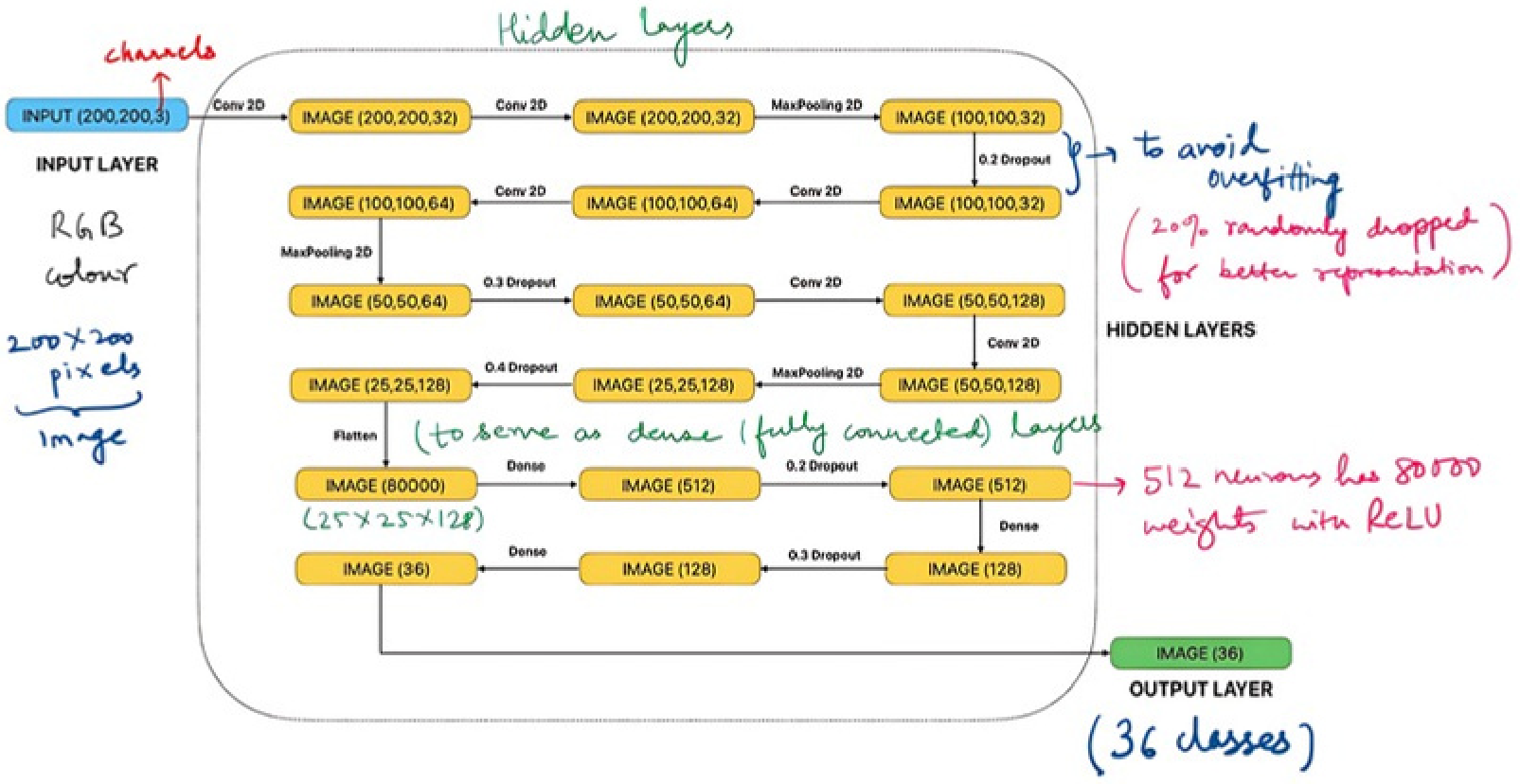 A Sequential CNN with three convolutional blocks, regularization, and fully connected layers.
Highlights:
- Input: 200×200 RGB images
- Conv Blocks: 3 sets of two convolutional layers + ReLU + MaxPooling + Dropout
- Dense Layers: Flatten → Dense(512) → Dense(128) → Output(36, softmax)
- Optimizer: Adam
- Loss Function: Categorical Cross-Entropy
- Regularization: Dropout (0.2–0.4)
- Callbacks: EarlyStopping, ReduceLROnPlateau
Methodology
- Data Preparation
- Resize images to 200×200
- Rescale pixel values to [0, 1]
- Split into train, validation, and test sets
- Training
- 30 epochs
- Early stopping to avoid overfitting
- Dynamic learning rate adjustment
- Evaluation
- Accuracy, precision, recall, F1-score
- Confusion matrix analysis
Results
Performance Metrics:
- Test Accuracy: 94.2%
- Macro Avg: Precision 96%, Recall 94%, F1-score 95%
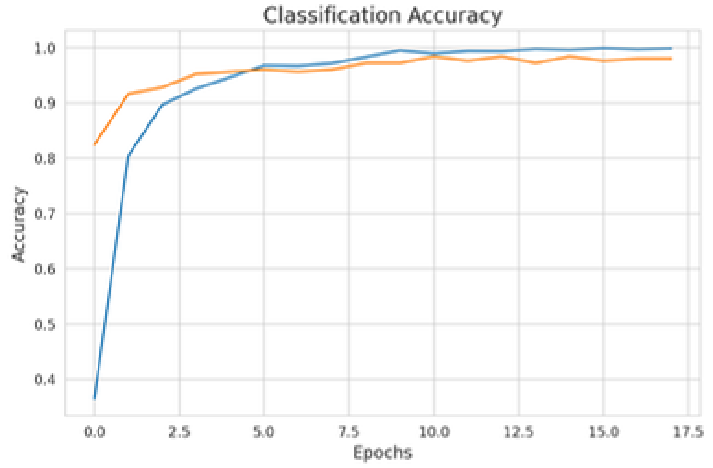 Figure 1: Stable convergence with no signs of overfitting.
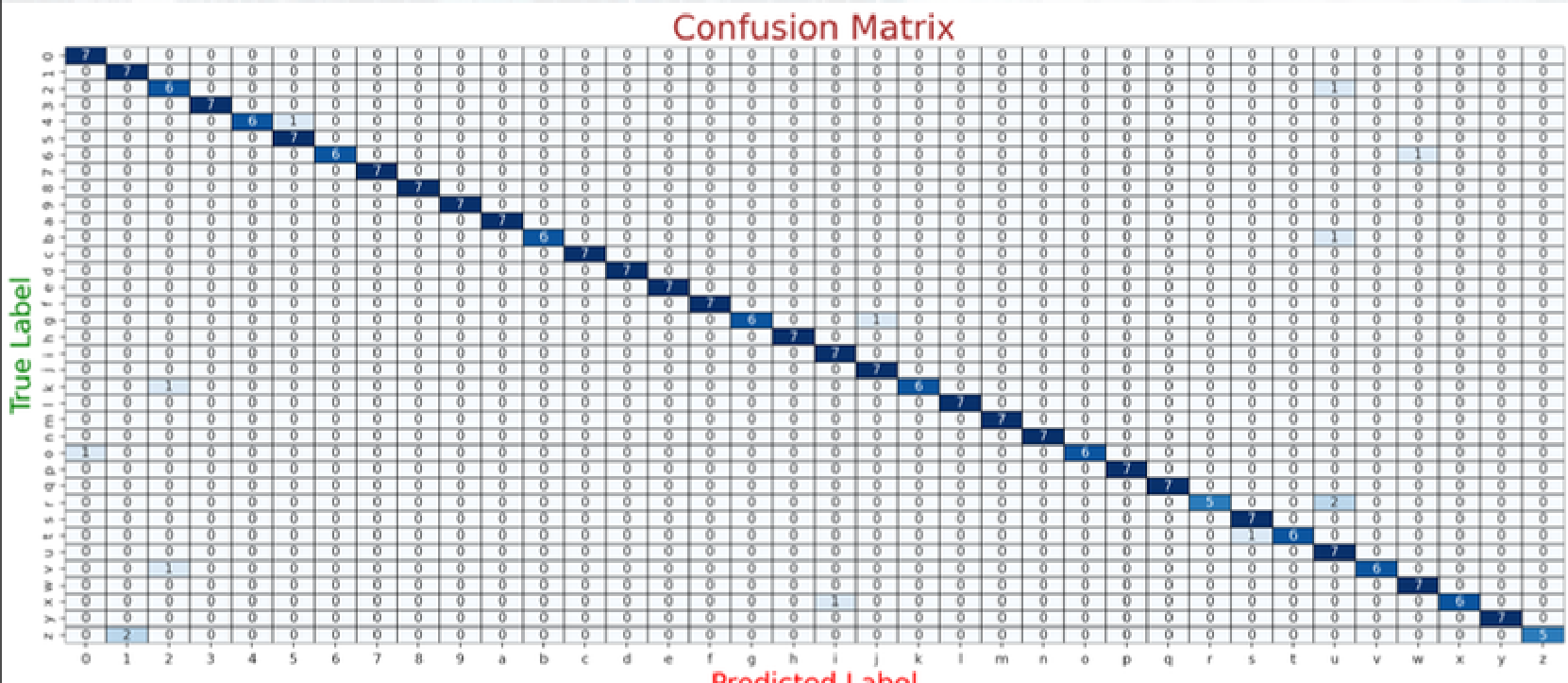 Figure 2: Minimal misclassifications across 36 classes.
Conclusion & Future Work
This model serves as an effective pipeline for static ASL recognition and can be extended for:
- Dynamic gesture recognition using sequential models (LSTM / GRU / Transformers).
- Mobile and edge real-time inference using TensorFlow Lite.
- Robustness improvements via multi-lighting and background data augmentation.
Repository
- GitHub Repository: American Sign Language DECODER